Trip Leader: Kath Varcoe
Trip Report: Robert Green
To accommodate numbers at Mason Bay, and differing individual interests, this field trip had three itineraries. One group (Bob Wright, Robert Green, Dawn Kirk, Sue Blair, David Anderson), led by Kath Varcoe, travelled by ferry from Bluff to Oban, staying at the South Sea Hotel for 3 nights before flying to Mason Bay Hut for 3 nights and then flying to Invercargill. Another group (Lynette Hartley, Donna Jennings, Katherine McCusker, John Leathwick, Dianne Browne), led by Robyn Owen, flew from Invercargill to Mason Bay Hut, and after 2 nights, walked out to Freshwater Hut where they overnighted and then travelled by water taxi back to Oban for 3 nights; after which they returned to Bluff by ferry. Another two members (Carolyn Elcock and Cheryl O’Conner) stayed in Oban for 5 nights; travelling both ways by ferry.
Everyone met for dinner in Invercargill the night before leaving. The predominant theme of the night being excitement about the approaching adventure. Another group dinner was held the night after everyone arrived back in Invercargill. The predominant theme that night seemed to be appreciation for good food (!) and sharing experiences of wild Rakiura.
For all, time spent on Ulva Island, a brief water taxi ride from Oban, was a highlight. The unique and very beautiful natural bush and the variety of birdlife (tui, kaka, yellowheads, rifleman, kakariki, etc.) provided endless photo opportunities. No doubt many will appear in Members’ Images sometime soon. Some members returned for a second visit to Ulva. While others explored the scenery around the town – such as Ackers Point and Horseshoe Bay.
Mason Bay Hut is a DOC hut on the opposite side of Stewart Island from Oban. It can only be reached by walking tracks or a brief flight with a beach landing at low tide. Because the prevailing winds from the west are so strong, the beach structure and surface are constantly changing and landings are not guaranteed. The closest area for landing is about a 1 km walk from the hut. But if landing at this spot is not possible, the next closest is 7 km away. Everyone was relieved that both the flights in and out could land at Mason Bay Hut rather than the distant end of the bay!
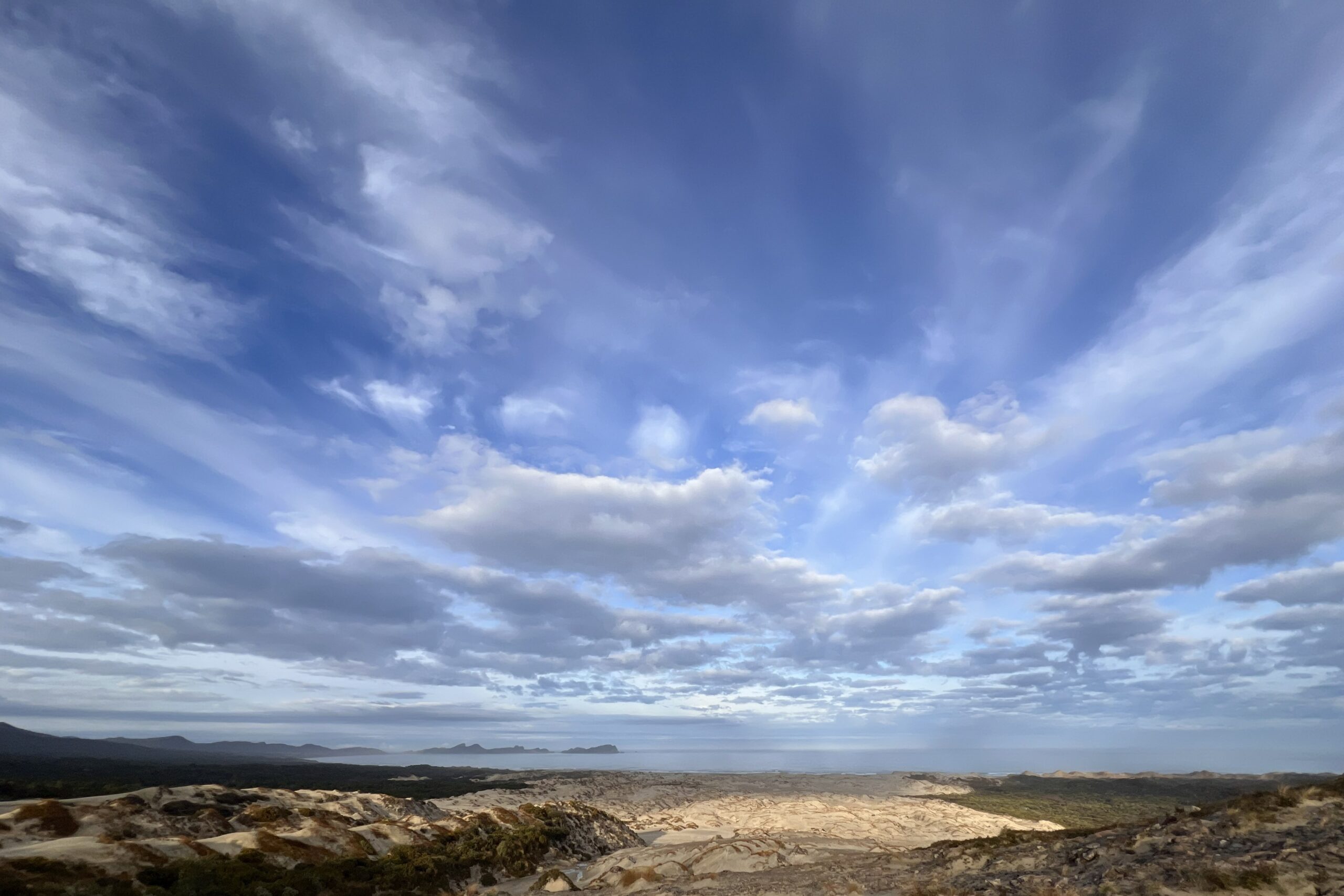
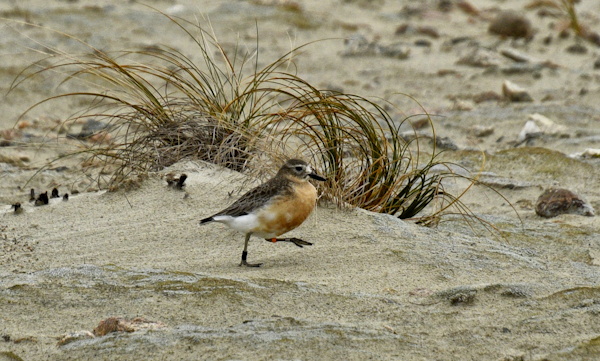
The hut is next to a large sand dune complex where rocky substrate, eroded plains and high sand hills constantly change in response to the ferocious winds. (One statistic found calm air only 1% of the time, with many days over 80 kph). The dunes are the chosen habitat for the banded dotterel and the occasional southern dotterel. One nest with eggs was spotted with most birds displaying their mating plumage.
The beach of the bay, about 20km long, collects anything floating in the sea. Apparently, ambergris is commonly found. This valuable whale product can be worth thousands of dollars. Although a passing collector explained what it looks and smells like, no-one found their fortune! We did find pumice, that might have come from the Tonga eruptions, weathered tree trunks from the North Island, endless plastic waste, and (sadly) several dead seabirds, including a crested penguin.
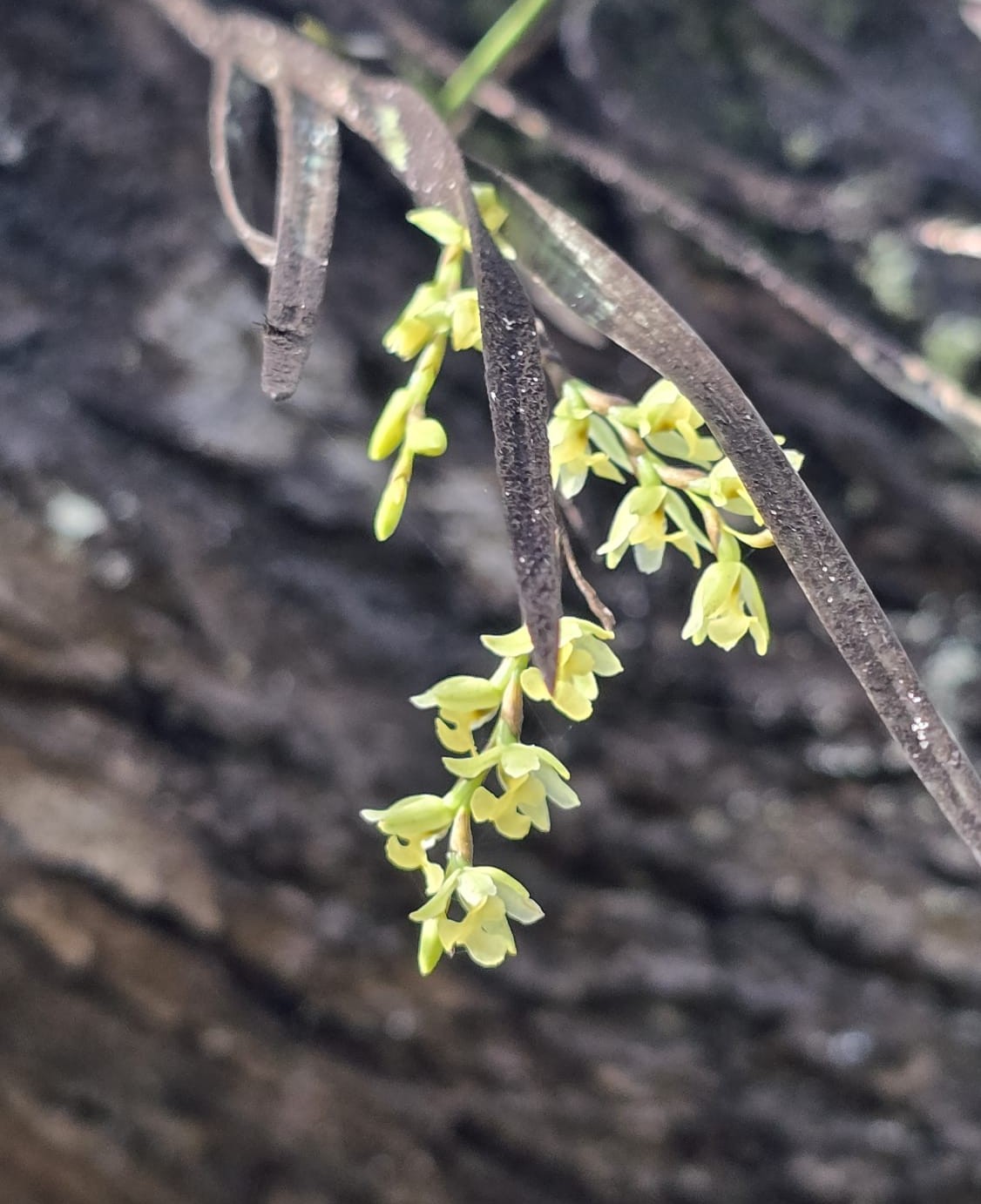
Many people go to Ulva Island to see kiwis. But there are only 500 on that island, while there are over 20,000 on Rakiura – with many living around Mason Hut. Nightly kiwi hunts were conducted but only a few were spotted. Other trampers passing through had better luck, with one woman seeing three in one day on the track (in the daytime). Other notable finds include a whistling frog, an albatross lost in the forest, multiple rats and beautiful native orchids. (Plus innumerable sand flies).